Alt image Alt image Alt image

Spring Planting Guide

Browse our range of Spring  Sowing Flower Seeds

Introduction to Spring Planting:

Every year, we get that glorious day signalling spring is around the corner; sun out, soil looking inviting, and we get the urge to get outside and start planting. But as we all know, the UK weather can be highly unpredictable, and if you plant too early, you could spend the next fortnight watching your seedlings shiver. The team at Johnsons have put together this guide to help you channel that energy into the right plants at the right time, whether you're figuring out what to plant in spring for the first time, or just want to sharpen your timing. From the vegetable planting calendar to which flowers can handle a frost, we have all the recommendations here.

The Rules of Spring: Frosts and Soil

We have already mentioned the temperamental weather: a warm week in March feels like a green light, but a hard frost in April is not unusual. The rule to live by is that if the weeds aren't growing yet, the soil is too cold for your plants and vegetables. When dandelions are blooming in earnest, soil temperatures have usually climbed enough to think about potatoes; that's the spring temperature in practice, and it's more reliable than the calendar.

To determine whether the temperature and conditions are right for planting, why not try the Squeeze Test?

Before sowing outside, pick up a handful of soil and squeeze it. If water drips out, the soil is too wet, and your seeds will rot rather than germinate. If it crumbles apart in your hand, the structure is right, and you're ready to sow. It's the simplest test in gardening, and it saves a lot of heartache in the long run.

Hardy vs. Half-Hardy: The Most Important Distinction

When deciding what plants to grow in spring, the most important piece of knowledge is the difference between Hardy Annuals (frost-tolerant, can be sown directly outdoors) and Half-Hardy and Tender varieties (killed outright by frost).


Don't rush these outdoors:  Cucumbers, Courgettes, French Beans, and Basil must stay under cover until all frost risk has passed. In most of the South, that means late May.

If you're gardening in Scotland or northern England, add 3–4 weeks to the dates stated. For the most accurate frost-free date, check your local weather forecast or the RHS recommended dates.

What Vegetables to Grow in Spring

The question of which vegetables to grow in spring, and the big debate over sowing seeds indoors vs outdoors, comes down to frost tolerance. Here's a clear breakdown of what can be planted when:

Veg to Sow Indoors

Start these in a heated propagator or on a warm, sunny windowsill. They're not going outside until the frosts are truly done.

         Tomatoes

         Chillies and Peppers

        Aubergine

         Courgette (from mid-April)

         Cucumber (not outside until June)

         Runner Beans and French Beans (start indoors from April)

         Leeks

        Celery

Veg to Sow Direct Outdoors

Once the soil passes the squeeze test, these can go straight in the ground with no propagator needed.

         Carrots

         Parsnips

         Peas

         Broad Beans

        Spinach

         Lettuce and Salad Leaves

         Beetroot (from April)

         Radishes

         Spring Onions


First Early Potatoes: First Early potatoes, the ones that give you waxy new potatoes in early summer, should be chitted (left to sprout in a cool, light spot) from late January, then planted out from mid-March in the South once the soil has warmed.

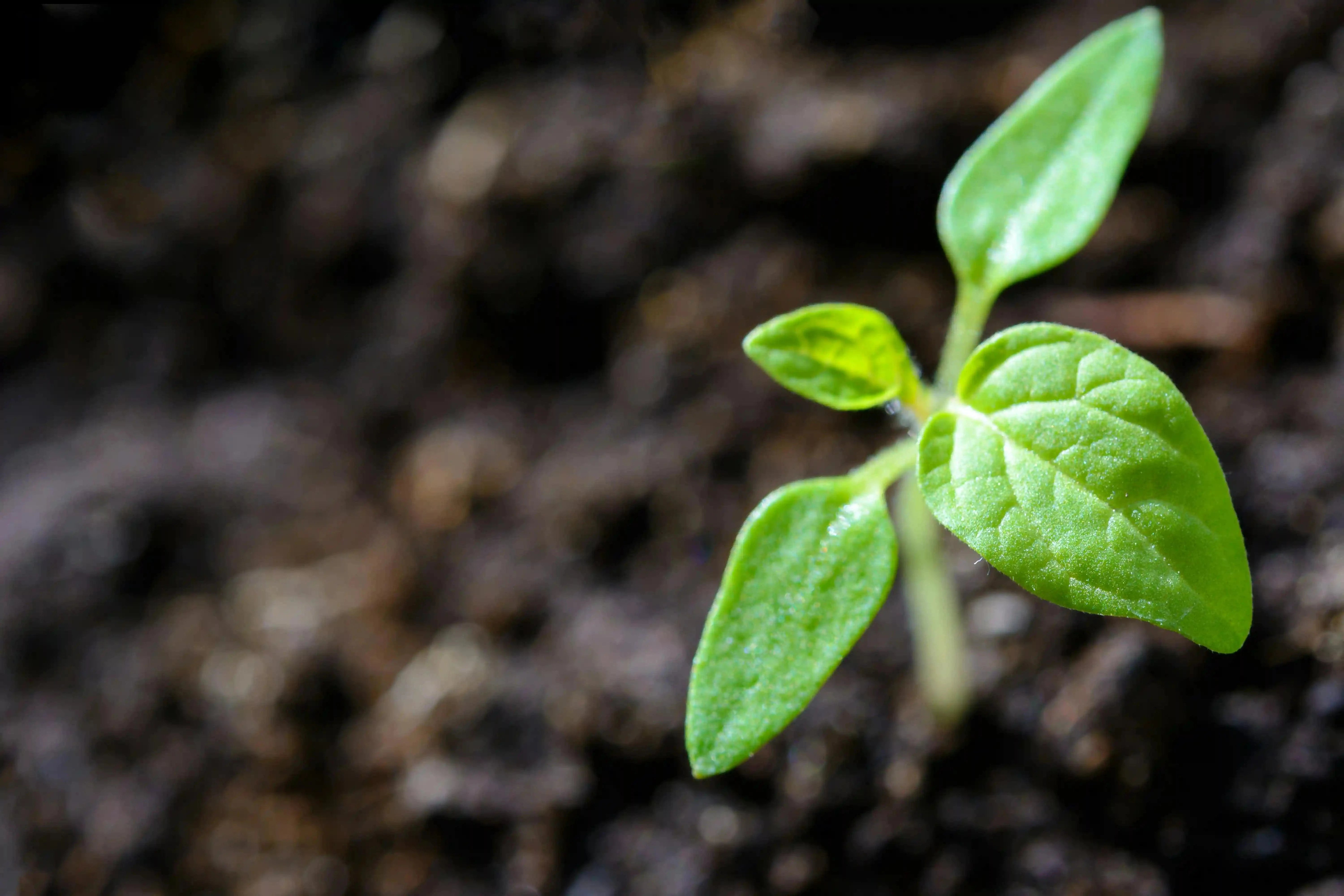
Sowing tomato seeds, chillies, and peppers indoors from late February means you'll quickly find every sunny surface and windowsill occupied by seed trays. The key is to rotate your trays regularly, so seedlings get even light and don't stretch or lean towards the window. A heated propagator will make a genuine difference to germination rates and is one of the most worthwhile bits of kit a veg grower can own.

Hardening off Seedlings

Once indoor-raised seedlings are established, don't move them straight outside. Plants grown in warm conditions haven't developed the thicker leaf cuticle they need to withstand wind, temperature swings, and direct sunlight. Hardening off means gradually introducing them to outdoor conditions over 7–10 days, starting with an hour or two in a sheltered spot and building up from there. This gives the biological change time to happen. Skip it, and you risk scorched, wilted plants undoing weeks of work.

What Flowers to Grow in Spring

Wondering what flowers to grow in spring? The options are wider than you might think, and the rules follow the same logic as vegetables: hardy varieties go straight in the ground, tender ones need a warm start first.


Hardy Annuals: These are among the most effortless plants in the garden and are sown directly where they are to flower into prepared soil from March onwardsMany actually perform better when sown directly rather than transplanted, as they dislike root disturbance. Direct sowing of hardy annuals is one of the simplest in spring gardening. Classics from our Hardy Annuals range include Cornflower, Nasturtium, Sweet Peas, Sunflower, Larkspur, Calendula, Californian Poppy and much more.


Half-Hardy Annuals: These need to be started indoors for summer impact. Favourites such as Cosmos, Stock, Antirrhinum, Marigold and Zinnias can be started under cover in a heated propagator from February to April, grow on in warmth, harden off, then plant out after your last frost to deliver months of colour.

Essential Spring Jobs (Beyond Sowing)

Slugs: The moment seedlings appear, so do slugs and snails, and one bad night can undo weeks of careful growing. The most effective biological control is Nematodes: microscopic organisms applied in a watering can that actively target slugs in the soil, are safe for wildlife, pets, and children, and are effective at soil temperatures as low as 5 °C. Physical barriers like copper tape and horticultural grit can also offer useful additional protection around vulnerable plants and seedlings.

Prepare your soil: Good growing starts with good soil. Before any sowing or planting, work well-rotted compost into the bed and allow the surface to crumble to a fine tilth. Cold, compacted, waterlogged soil is the enemy of germination. Raised beds and containers with fresh compost will warm up and drain far faster than heavy open ground.

Get your equipment ready: A heated propagator is essential for tender crops that need to be started indoors. Have your seed trays, modules, and seed compost sorted before your seeds arrive. Make sure you label everything from day one, as you will thank yourself in June when you've forgotten which tray holds which tomato variety.

Ready to Get Growing?

Spring rewards those who plan ahead. Resist the lure of false spring, do the squeeze test, start your tender crops indoors, and don’t skip the hardening off. Once you’ve done the groundwork, everything else follows naturally. Fothergill’s has everything you need for a brilliant growing season from seed to harvest.

Related Articles

By Pim Dickson
Fothergill's Blog
Feb 03, 2025
By Pim Dickson
Fothergill's Blog
Sep 16, 2024
By Pim Dickson
Fothergill's Blog
Sep 16, 2024