

Winter is the season when we naturally turn towards comforting teas, soothing aromas, and immune-supporting ingredients.
While the garden outside may be dormant, this is actually the perfect time to nurture an indoor herb garden. Even a simple row of pots on a sunny windowsill can bring fresh flavour to your cooking and offer a few traditional herbal benefits when you need them most.
In this guide, we’ll explore five trusted winter wellness herbs, explain how to grow each one indoors, and share the traditional benefits that make them so essential. From woody perennial herbs like rosemary that crave bright light and drier compost, to leafy annual herbs like parsley that prefer richer soil and consistent moisture, you’ll find clear, practical advice tailored to every type of herb.
Let’s bring a little green healing into the home this winter.
Peppermint: The Soothing Stomach-Settler
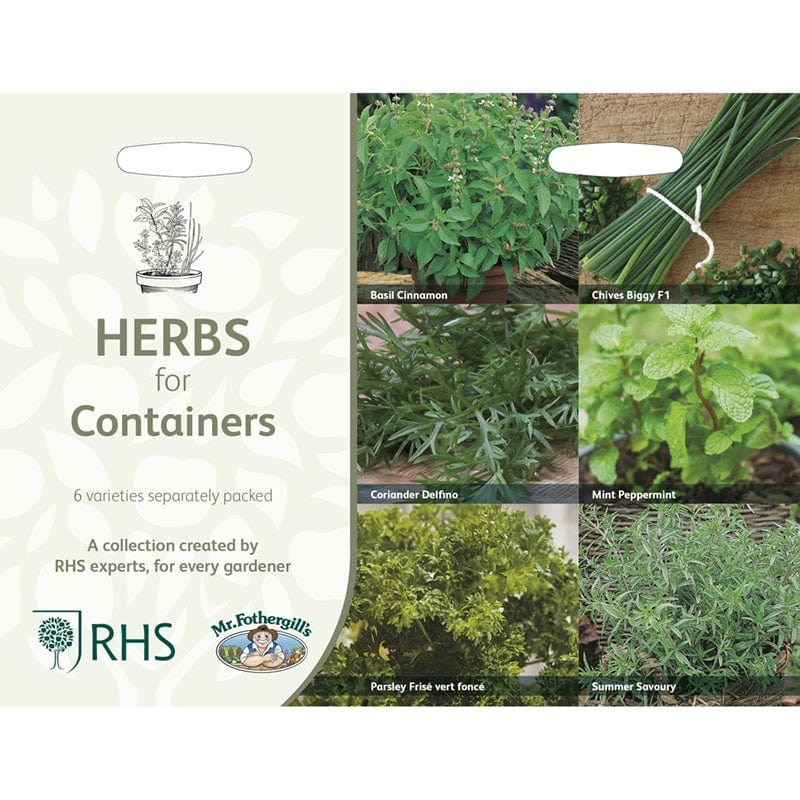
Peppermint is one of the easiest and most rewarding herbs to grow indoors during winter. Known for its cooling, calming properties, it is traditionally used to soothe digestion, ease tension, and bring a refreshing lift to dull winter days. A simple herbal tea from fresh herbs can settle the stomach after rich meals, and its bright scent is instantly mood-lifting.
How to grow peppermint indoors:
Peppermint is wonderfully unfussy, making it ideal for beginners. It thrives in moderate to bright light and prefers consistently moist compost. Unlike woody herbs, it enjoys a bit of humidity, making kitchens and bathrooms good choices. The quickest way to start growing mint indoors is from cuttings or division - but it just a simple from seed.
Keep peppermint in its own pot to contain its vigorous spreading roots, and harvest regularly to encourage new growth. With just a little care, growing mint indoors is almost always a success, even in the darkest months - making it one of the most reliable immune-boosting herbs for winter wellness drinks.
Thyme: The Respiratory Defender
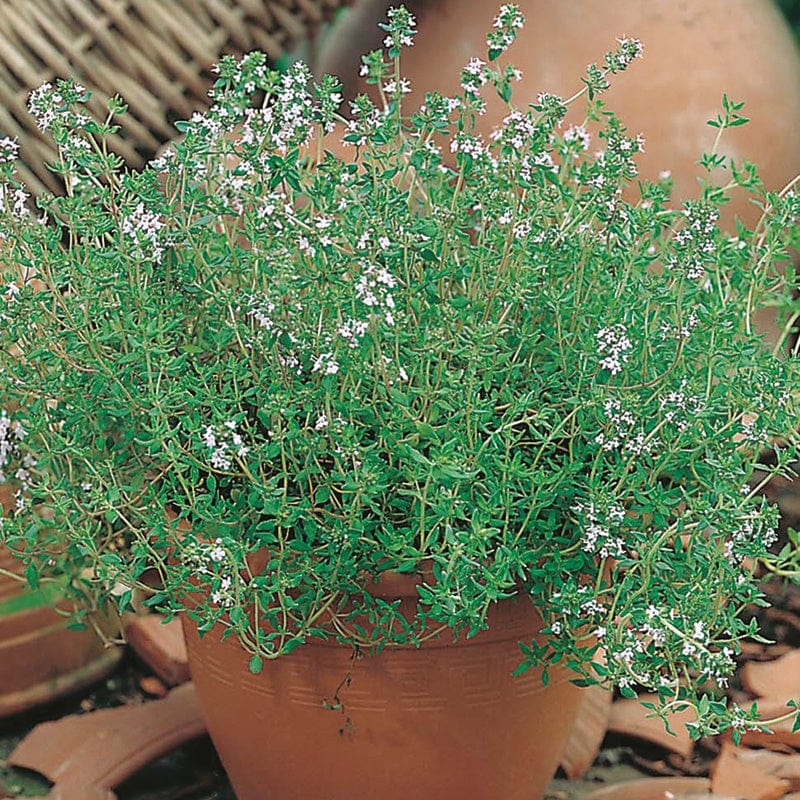
Thyme is one of winter’s most valuable herbs, both in the kitchen and as a traditional remedy. It has long been used to support respiratory health, thanks largely to thymol, a natural compound with antiseptic qualities found in many cough syrups. A warm thyme infusion is a classic comfort during cold season.
How to grow thyme indoors during winter:
As a woody Mediterranean herb, thyme needs different care from leafy annuals. It requires the brightest windowsill you can offer, ideally south-facing, and a light, free-draining compost. Water sparingly - thyme dislikes wet roots and poor airflow. It’s often easier to grow thyme indoors from established plants or cuttings, as seed germination can be slow and uneven in winter.
Treat it well, and thyme will provide fragrant sprigs throughout the season for healthy cooking and winter wellness teas.
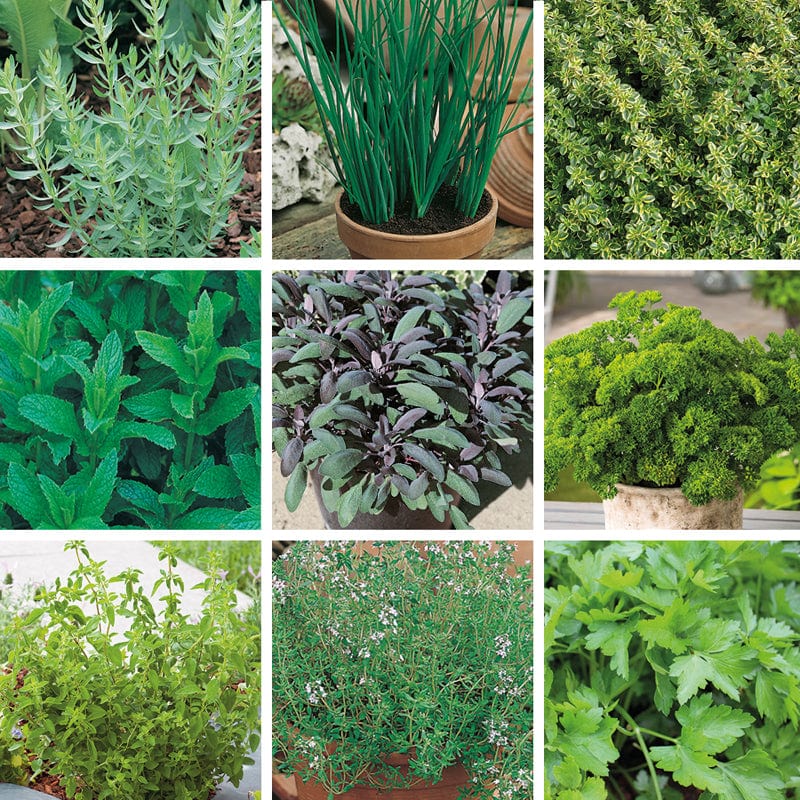
Rosemary: The Memory & Mood Booster
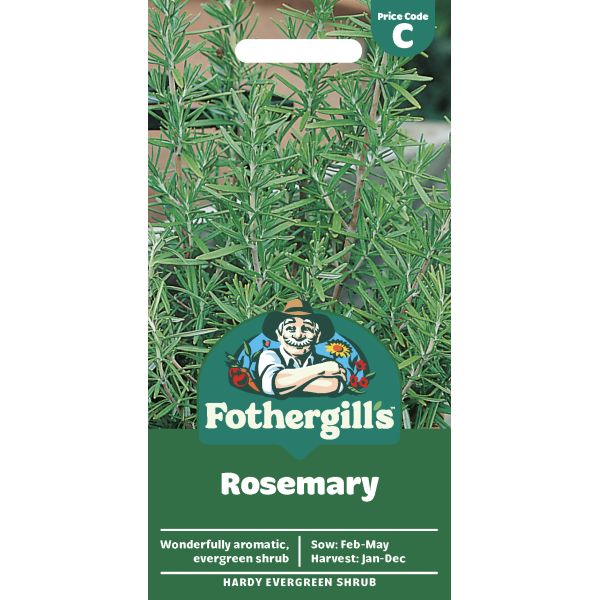
Rosemary is one of the best herbs for winter if you’re looking for something uplifting, aromatic, and full of character. Traditionally associated with clarity, focus, and emotional balance, rosemary has been used for centuries to refresh the mind. Its bold flavour also pairs beautifully with winter dishes - from roasted vegetables to warming stews.
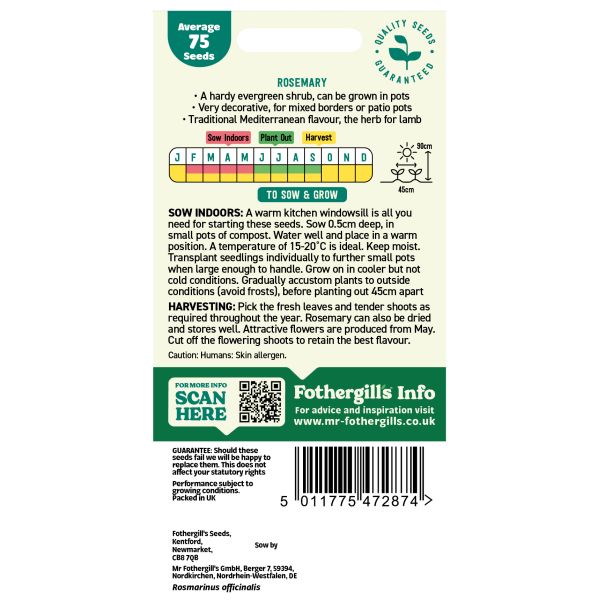
An honest word of advice: Rosemary can be tricky indoors (although growing outdoors, its leaves will be available all year round). Among all the herbs on this list, it is the one that most deeply craves sunlight, airflow, and cool, dry conditions to mimic its native Mediterranean climate. Many gardeners find rosemary struggling if placed near radiators or kept in heavy, wet compost. But if you can meet its needs indoors, it will absolutely thrive.
How to care for rosemary during winter:
- Place it in the brightest, coolest room you have - a bright porch, sunroom, or unheated spare room is ideal.
- Use a gritty, free-draining compost mix, and water only when the top inch of compost is dry.
- Avoid warm, steamy kitchens and bathrooms.
- Turn the pot weekly to keep the plant growing evenly.
Propagation is easiest from semi-ripe cuttings, though young starter plants also adapt well to indoor conditions.
With care, rosemary becomes a beautifully fragrant part of your indoor herb garden, providing both culinary value and a gentle mood-lift throughout winter.
Parsley: The Vitamin Powerhouse
Parsley may not be as aromatic as rosemary or thyme, but it more than earns its place among the best herbs for winter thanks to its exceptional nutrient content. Packed with vitamins A, C, and K, parsley offers a natural boost to your winter diet and pairs well with hearty seasonal meals, adding freshness when it’s needed most.
How to grow parsley indoors:
Unlike woody perennial herbs, parsley is a leafy biennial that prefers rich compost and consistent moisture. It grows exceptionally well indoors from seed on a bright windowsill - in fact, this is often more successful than buying mature plants. Soak seeds overnight to speed up germination, then sow into deep pots and keep the surface lightly moist.
Parsley seeds tolerate lower light levels better than rosemary or thyme, but it still benefits from a bright spot. Harvest by cutting stems from the outer edge first, allowing new growth to fill in from the centre.
For those wanting to focus on growing herbs on a windowsill, parsley is one of the most dependable performers for winter.
Sage: The Sore Throat Soother
Sage is a comforting, grounding herb with soft, aromatic leaves and a long history of use in winter wellness traditions. Sage tea is a classic home remedy for soothing sore throats, and its warming scent brings a sense of calm during cold, gloomy days.
Growing sage indoors in winter:
Like rosemary and thyme, sage is a woody perennial, meaning it needs bright light, lower humidity, and careful watering. It does best in a sunny window in a cool room, where the air can circulate freely. Overwatering is the most common mistake - sage prefers its compost on the drier side, and terracotta pots can help prevent excess moisture.
Start sage from cuttings or young plants rather than seeds, as seeds can be slow to germinate indoors during the winter months. Pinching out the growing tips encourages a bushier shape and fresh, tender leaves.
Sage may not grow as quickly indoors as mint or parsley, but with the proper care, it will provide a steady supply of flavour and fragrant foliage to support winter wellness tips and herbal teas.
Build your indoor herb garden
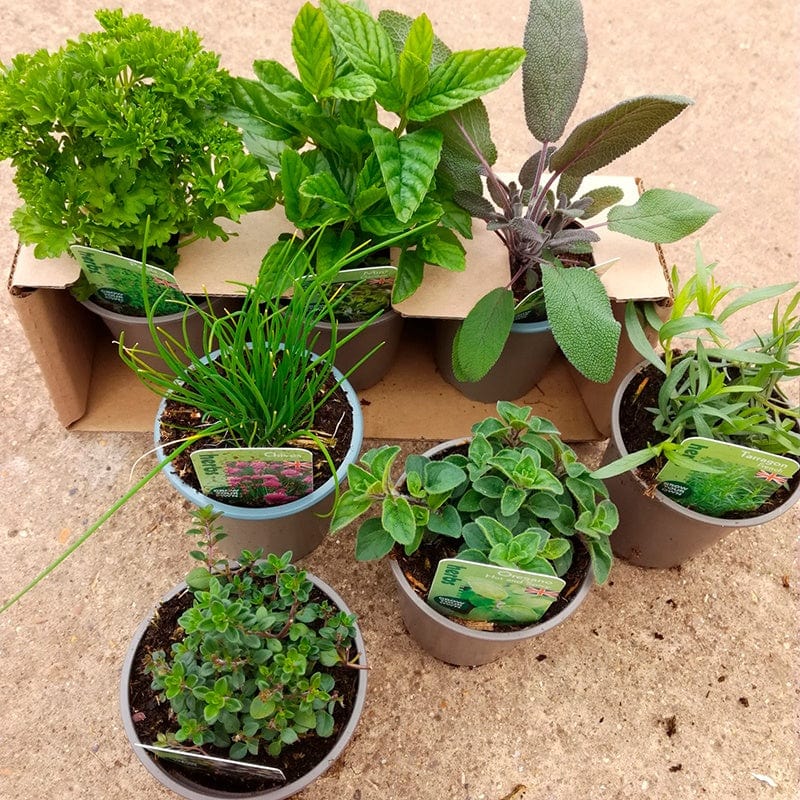
At Fothergill’s, we have all you need to get started with your indoor herb garden, and it doesn’t need to be complicated — with the right care, peppermint, thyme, rosemary, parsley, and sage can bring life, scent, and wellness into your home all winter long.
And while these herbs have long been valued for their supportive qualities, they’re not substitutes for medical treatment - think of them as gentle allies in your winter routine.
So, roll up your sleeves, line up a few pots, and look forward to fresh flavours and traditional herbal comforts throughout the darkest months.
For even more advice, check out our beginners guide to growing from seed.