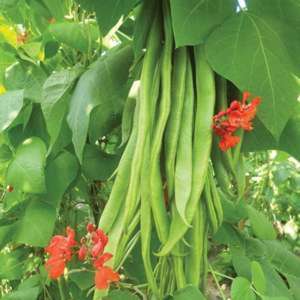

How to Grow Runner Beans

6 x plants (late) Runner Bean Firestorm AGM Vegetable Plants

How to Grow Runner Beans

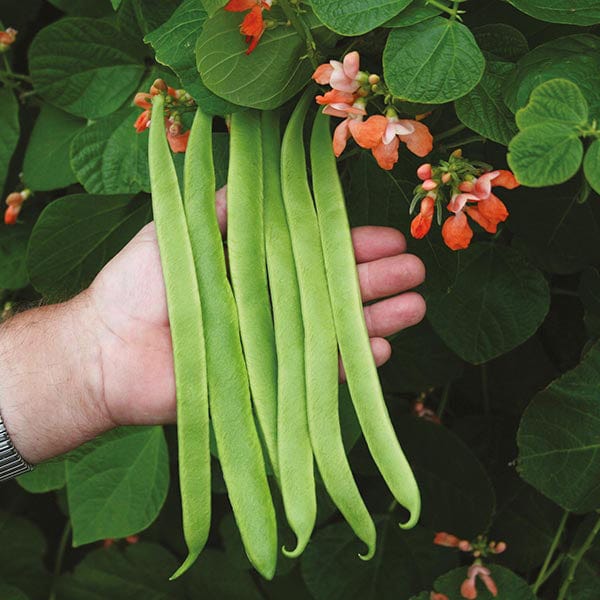
Runner beans are one of the most rewarding crops you can grow. They’re generous, fast-growing, and beautifully ornamental, with climbing vines and vivid red, white, or bi-coloured flowers. For many gardeners, they’re the highlight of summer harvesting, producing armfuls of tender pods from midsummer well into autumn.

Most runner bean plants are grown as climbing plants and need strong support, making them ideal for wigwams, arches, or against sunny fences. Popular, reliable varieties include ‘Scarlet Emperor’, ‘Firestorm’, and ‘White Lady’, while modern cultivars such as ‘Moonlight’ are bred to set pods more reliably in warm weather.

Runner beans prefer cooler summer conditions than French beans and thrive in the UK climate, especially when given moisture-retentive soil and regular care. From sowing to first harvest usually takes around 12–16 weeks, and with frequent picking, plants can crop for months.

climbing beans

Soil Preparation

Good soil preparation is the foundation of a successful runner bean crop. These plants are hungry and thirsty, and their long growing season means they need both nutrients and consistent moisture.

Before planting, dig the soil deeply and incorporate plenty of well-rotted manure or garden compost. This doesn’t just feed the plants - it’s crucial for retaining moisture, which runner beans rely on to flower and set pods. Dry soil is one of the main causes of poor yields.

Choose a sunny, sheltered position with free-draining soil. Avoid windy spots, as runner beans are tall and can be damaged or rocked loose before their roots fully establish. Set up supports before planting - sturdy canes, A-frames, or wigwams all work well.

Sowing

Runner beans can be sown indoors or directly outside, depending on space and timing.

Sowing indoors:

From April onwards, sow seeds individually into small pots or deep modules. Place each seed on its side about 5cm deep. A useful tip is to sow two seeds per pot or station, then later keep the strongest seedling. This almost guarantees a healthy plant at every cane.

Keep pots in a bright, frost-free place. Seeds usually germinate within 7–10 days.

Direct sowing outdoors:

From late May to early June, once the risk of frost has passed and the soil has warmed, you can sow seeds directly at the base of each cane. Again, sow two seeds per cane and thin to the strongest.

Runner Bean Moonlight Vegetable Plants

Planting

Indoor-sown runner bean seeds must be hardened off before planting out. This is a crucial step that’s often skipped. Gradually acclimatise plants to outdoor conditions over 7–10 days by placing them outside during the day and bringing them in at night. This reduces shock and helps prevent plants from staling or dying once planted.

Plant out once temperatures are consistently mild. Set seedlings at the base of their supports, firming the soil well and watering thoroughly. Space plants about 15–20cm apart if growing in a row.

Plant Care

Runner beans grow quickly and need consistent care to perform well.

  • Watering: Water deeply and regularly, especially during flowering. In hot, dry weather, lack of moisture can cause flowers to drop without forming beans. Mulching with compost helps keep roots cool and damp.
  • Feeding: Once flowers appear, a high-potash liquid feed every 10–14 days encourages flowering and pod formation.
  • Training: Gently guide young shoots around their supports to help them climb.
  • Flower drop: Very hot or dry conditions can prevent flowers from setting. Keeping soil moist and choosing heat-tolerant varieties helps reduce this problem.
Runner Bean Celebration Seeds

Harvesting

Runner beans are usually ready to harvest 12–16 weeks after sowing, depending on weather and growing conditions. Pick pods while they’re young and tender - around 20–25cm long - before the beans inside start to swell.

Regular harvesting is essential. Picking every few days signals the plant to produce more flowers and beans, while leaving pods to mature slows production dramatically. Use scissors or a gentle twist to avoid damaging the plant.

With consistent picking, a healthy crop can continue producing well into early autumn.

Grow successful runner beans with Fothergill’s
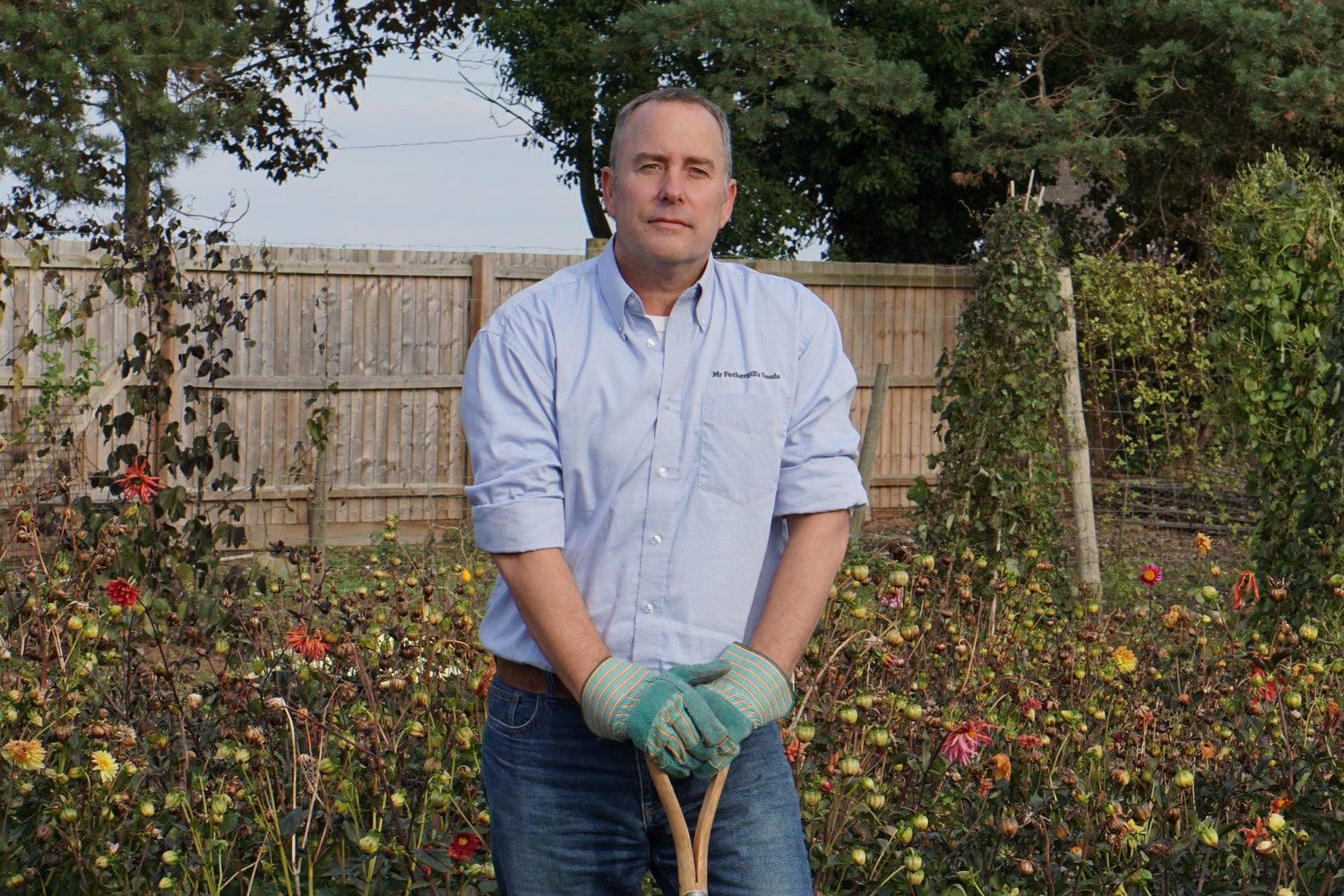
At Fothergill’s, we offer a range of runner bean seeds to choose from, all boasting high germination rates and strong, healthy growth.

With good preparation and attentive care, you’ll be setting the stage for a prolonged, productive harvest.

So, roll up your sleeves, sow a few seeds, and look forward to enjoying weeks of abundant harvests from this classic and reliable crop.

For even more advice, check out our beginners guide to growing from seed.

Pim Dickson

Flower Expert

When Pim joined Mr Fothergill’s, it was originally as a seed buyer, but now as our flower expert, he’s responsible for all horticultural and technical content, sharing his expertise in this catalogue, and through the growing advice and tips on our seed packets.

Read all Pim Dickson's Articles
Filters

Guide Chapters

  • How to Grow
  • Soil Preparation
  • Sowing
  • Planting
  • Plant Care
  • Harvesting