
Taking good care of your dahlias is important for maintaining their health and beauty! So don’t forget about them once they’re in the soil; there are plenty of ways to help them put on the best possible displays.
Feeding
Dahlias love a good meal - as it takes a lot of energy to look that good! We recommend using a feed once a week during the earlier stages of growth. Once in bud, they should be ready for a weekly meal of fertiliser until around the beginning of autumn.
Deadheading
If you notice any of your dahlia blooms fading or dying, it’s best to deadhead them. Not only does this keep the plants looking tidy, it allows your plant to focus its energy on producing lots more blooms, greatly extending the flowering season.
Cutting
You have every right to be proud of your beautiful dahlias, and of course, you’re allowed to show them off! One of the most rewarding parts of growing flowers is taking cuttings and displaying them around the home. So here are some tips to hep you along.
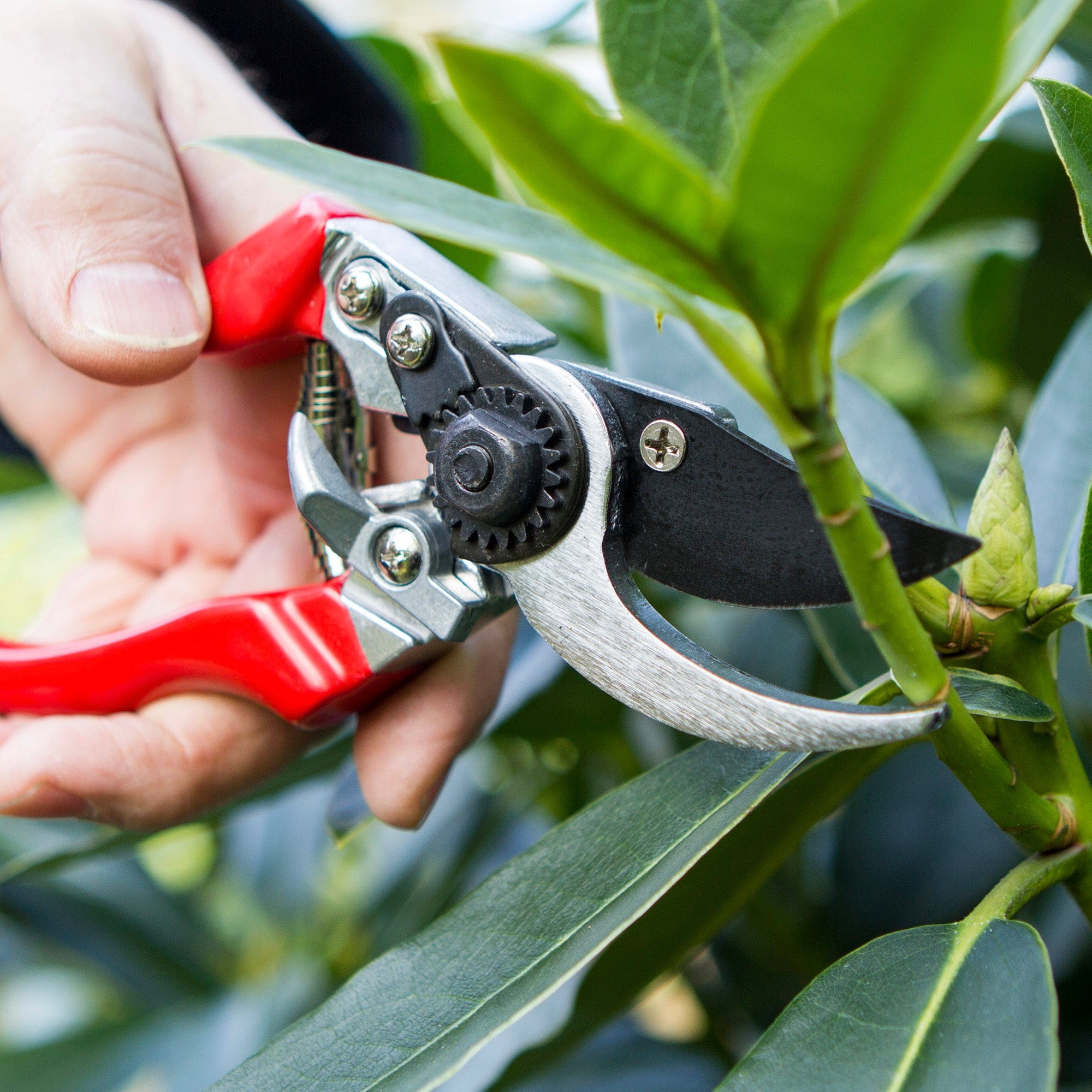
Select your flowers and cut their stems halfway between two set of leave. Your next step is to remove any leaves that would sit below the water level in your vase. Pick out an appropriate size vase and showcase your colourful blooms in your home. If you’re feeling especially generous, you could even gift a bouquet to your loved ones!
Staking
As your dahlias grow, they may need a little support - especially if your garden is in an exposed, windy location. Staking is the best way to support your plants and help them stand tall. We'd recommend using twine and bamboo sticks.
Pests and Diseases
Pests like slugs, aphids and caterpillars tend to be attracted to dahlias - who wouldn’t be? So you’ll need to take the necessary precautions to protect your blooms. You could choose to make a barrier, or use an insecticide or a repellent to make sure the bugs know that your flower beds are not a buffet.
Dahlias can also suffer from diseases like powdery mildew. This can be avoided by keeping your dahlias growing strong. Ensure the soil is kept moist, pick off any dead leaves and flowers that could rot. Check they have plenty of space around them too, if they are well-ventilated it will reduce the possible spread of disease.