
Cucumbers love warmth, moisture, and consistent feeding. Keep the soil evenly moist at all times, watering at the base to avoid splashing the leaves, which can encourage fungal problems. In hot weather, daily watering may be needed, especially for plants in greenhouses and containers.
Feed plants in containers every 7–10 days with a high-potash liquid fertiliser once flowering begins. This boosts fruit production and overall plant health.
Train plants as they grow, tying stems loosely to supports. Keep greenhouses well ventilated but avoid cold draughts.
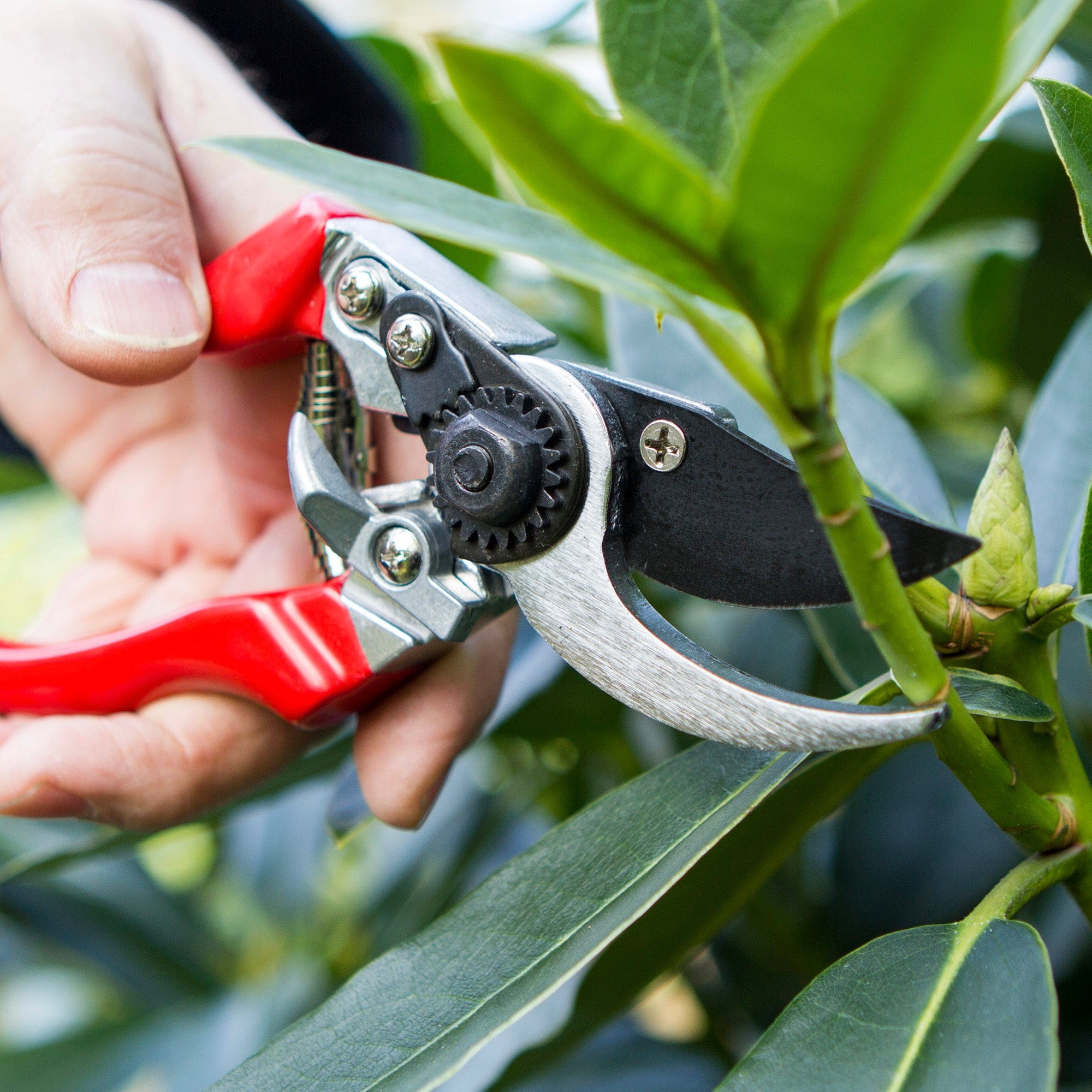
Pinch out the growing tip of the plant once it has reached the top of its support to encourage side shoots (and therefore bigger crops) to form. Pinch out the tip of each flowering side shoot once the fruits begin to develop, leaving two leaves after each fruit. You can also pinch out the tips of flowerless side shoots once they reach 60cm long. For outdoor varieties, pinch out the growing tip once seven leaves have formed. You can also pinch out the flowerless tips once the stem has formed seven leaves.
Most greenhouse cucumber varieties are all-female (check seed packets for details), producing almost exclusively female flowers (with a tiny fruit behind them). These must not be pollinated, otherwise the resulting fruits will be bitter. Occasionally male flowers (without a tiny fruit behind them) may appear and need removing. Outdoor varieties are pollinated by insects, so both the male and female flowers are needed to produce fruit.
Watch out for aphids, whitefly, and spider mites, especially under glass. Regular inspection and good airflow help prevent infestations.
If fruits are misshapen, it may be due to poor pollination (for outdoor types). Bitter fruit can result from temperature stress or inconsistent watering. Wilting plants may indicate root rot or overwatering. Always check drainage and avoid letting soil dry completely between waterings.